If you’re planning asbestos removal in a Cleveland-area home, one of the first practical questions is simple:
Can I stay in the house while the work is happening?
Sometimes, yes. But in many cases, temporarily leaving is the safer choice.
The answer depends on the size of the project, where the asbestos is located, whether the material is friable, how containment is set up, and whether your home’s HVAC system can be safely isolated.
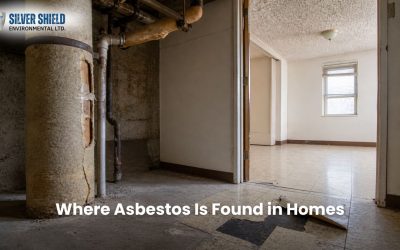
In older Cleveland and Northeast Ohio homes, asbestos may appear in basement pipe wrap, boiler insulation, attic insulation, popcorn ceilings, flooring, siding, or old mechanical areas. Because every property is different, the safest decision should come from a site-specific containment and re-entry plan.
Quick Answer: Can You Stay Home During Asbestos Removal?
Cleveland homeowners may be able to stay home during small, fully contained asbestos removal projects if the work area is sealed, HVAC is controlled, and the contractor confirms that occupied areas are safe.
However, temporary relocation is usually recommended for larger asbestos abatement projects, friable materials, attic insulation removal, pipe wrap removal, popcorn ceiling scraping, shared HVAC systems, or homes with children, pets, elderly family members, or anyone with respiratory concerns.
The U.S. Environmental Protection Agency explains that asbestos materials are usually safer when left undisturbed and in good condition. Risk increases when asbestos-containing materials are damaged, cut, scraped, sanded, or removed without proper controls.
The Real Answer: It Depends on the Work Zone
The question is not only, “Is asbestos being removed?”
The better question is:
Can the work zone be safely separated from the living area?
That detail changes everything.
Small, Isolated Removal Projects
For a small project in one sealed area, staying home may be possible.
For example, if asbestos is being removed from a small basement section with separate access and proper containment, the contractor may allow occupants to remain upstairs.
However, you still need clear instructions.
You should know which rooms are off-limits, whether the HVAC must be shut off, and when the area can be used again.
Multi-Room or Whole-Home Abatement
For larger jobs, staying home is usually not recommended.
The more rooms involved, the harder it becomes to control traffic, airflow, and accidental exposure.
If asbestos removal affects bedrooms, hallways, living areas, attics, or multiple floors, it is usually safer to stay somewhere else until the work is complete.
Exterior Asbestos Work
Exterior asbestos work, such as siding or roofing removal, may sometimes allow occupants to remain inside.
However, that depends on access points, windows, ventilation, work methods, and whether material could enter the home.
Do not assume exterior work is automatically safe for occupancy.
Commercial or Office Buildings
Some asbestos abatement work can happen inside occupied buildings when strict containment, scheduling, and safety controls are followed.
However, employees, tenants, and customers should never enter asbestos work zones. Commercial projects may also involve additional documentation, notification, and regulatory requirements.
Stay or Leave? Simple Decision Guide
| Situation | Can You Stay? | Safer Choice |
| Small sealed area in one isolated room | Sometimes | Stay away from work zone |
| Basement work with separate exterior access | Sometimes | Follow contractor boundaries |
| Multi-room asbestos removal | Usually no | Temporarily leave |
| Friable pipe insulation removal | Usually no | Leave during work |
| Attic insulation removal | Usually no | Leave during work |
| Popcorn ceiling scraping | Usually no | Leave during work |
| Shared HVAC system involved | Usually no | Leave or shut down HVAC |
| Children, pets, elderly people, or respiratory concerns present | Not recommended | Leave during removal |
This table is only a general guide. Your contractor should make the final call after reviewing the property layout, containment plan, material condition, and HVAC setup.
Not Sure Which Situation Applies to Your Cleveland Home?
If you’re unsure whether you need to leave during asbestos removal, Silver Shield Environmental Ltd can help review the project scope, containment needs, HVAC concerns, and safe occupancy plan before work begins.
Contact us for professional asbestos removal guidance in Cleveland and Northeast Ohio.
Why Some Asbestos Jobs Require Temporary Relocation
Not every asbestos project has the same risk level.
The removal plan changes based on the material type, location, and how easily fibers could spread.
Friable Materials Create Higher Risk
Friable asbestos materials crumble more easily.
That means they can release fibers into the air more readily when handled.
Common examples include:
- Damaged pipe insulation
- Loose attic insulation
- Boiler wrap
- Spray-applied insulation
- Deteriorated popcorn ceiling texture
When friable material is involved, leaving the home is usually the safer option.
Larger Projects Increase Exposure Control Needs
A small section of floor tile is very different from a whole-room or whole-home project.
Large projects may require:
- Larger containment zones
- Longer HEPA filtration time
- More workers
- More waste handling
- Longer cleanup periods
More activity means more opportunities for dust movement around the work area.
Shared HVAC Can Spread Contamination
HVAC is one of the biggest reasons homeowners may need to leave.
If air returns, vents, or duct pathways connect the work zone to the rest of the house, asbestos fibers could move beyond the contained area.
This is especially important in older Cleveland homes where basement mechanical systems, return vents, and living spaces may be closely connected.
That is why contractors may seal vents, shut down the system, or recommend leaving during work.
Clearance Testing May Be Needed Before Re-Entry
Some projects require final air clearance or third-party verification before normal use resumes.
If clearance testing is part of the project, wait until your contractor confirms the area is ready.
Do not re-enter early just because the visible work looks finished.
Common Cleveland Home Scenarios
Older homes in Cleveland and Northeast Ohio often have specific asbestos risk areas. Here are a few common situations where the stay-or-leave decision matters.
Basement Pipe Wrap Removal
Many older Cleveland homes have basement mechanical areas with pipe insulation near boilers, hot water lines, or heating systems.
If the pipe wrap is damaged, brittle, or friable, temporary relocation may be recommended during removal.
This is especially true if the basement connects to shared air returns or living spaces above.
Popcorn Ceiling Removal
Popcorn ceiling removal usually involves disturbing a wide overhead surface.
If the ceiling texture contains asbestos, scraping or sanding can release fibers quickly.
For this type of work, staying in the home is often not recommended unless the area is completely isolated and cleared for occupancy.
Related guide: Do Popcorn Ceilings Have Asbestos?
Attic Insulation Removal
Attic asbestos work can be difficult to isolate because loose insulation, dust, ceiling gaps, and ventilation pathways may connect to living areas.
For attic insulation removal, leaving during the project is often the safest choice.
Multi-Room Flooring Removal
Flooring removal can involve both tile and adhesive.
If asbestos-containing flooring or mastic is present in several rooms, the work area can expand quickly.
This usually makes temporary relocation a safer option.
When It May Be Possible to Stay in the Home
There are situations where staying home may be reasonable.
But only under clear conditions.
The Work Is Limited to One Sealed Area
If the project is contained inside one room or one small section, the rest of the home may remain usable.
The containment must be secure.
Plastic sheeting, sealed entry points, and proper work procedures matter.
The Area Has Separate Access
Separate access can reduce contact between workers and occupied spaces.
For example, basement access through an exterior door may lower disruption compared to workers moving through the main living area.
HVAC Is Isolated or Shut Down
If the air system can be safely shut off or isolated, the risk of cross-contamination may be reduced.
Never run HVAC during asbestos work unless the contractor specifically says it is safe.
The Contractor Confirms Safe Occupancy Boundaries
This is the most important point.
Do not make the decision yourself.
Ask the contractor:
- Which rooms are safe?
- Which areas are off-limits?
- Can we use the bathroom or kitchen?
- Can pets stay inside?
- When can we return to normal use?
A clear answer should be part of the project plan.
When You Should Leave During Asbestos Removal
Some projects are not worth the risk.
Even if leaving is inconvenient, temporary relocation may be the better decision.
Pipe Insulation or Boiler Wrap Removal
Older pipe wrap and boiler insulation can be friable, especially when damaged.
These projects often happen in basements or mechanical rooms, where air movement and access can be difficult to control.
Attic Insulation Removal
Attic insulation can be dusty, loose, and hard to contain.
If the attic connects to ceiling gaps, vents, or living spaces, staying home may not be recommended.
Popcorn Ceiling Scraping or Sanding
Popcorn ceiling removal can disturb a wide overhead surface.
Scraping, sanding, or demolition can create airborne dust quickly.
Always test before disturbing popcorn ceilings.
Multi-Room Flooring Removal
Floor tile removal may sound simple, but multiple rooms can create a larger work zone.
Adhesive or black mastic may also require special handling.
Vulnerable People or Pets Are Present
Children, elderly family members, people with breathing conditions, and pets should not remain near asbestos work.
Even when containment is used, the safest option is often to remove vulnerable occupants from the home until the work is complete.
What Happens Inside the Containment Area?
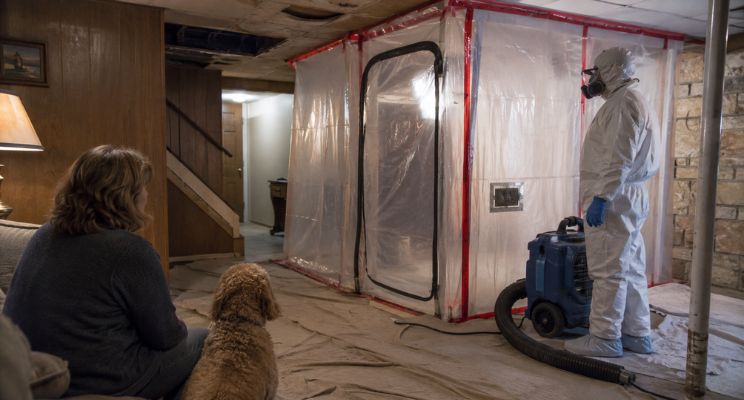
A professional asbestos containment area is designed to keep fibers from spreading.
You should not enter it.
Plastic Barriers and Sealed Work Zones
Contractors use plastic sheeting and sealing methods to isolate the work area.
Doors, vents, and openings may be covered.
Negative Air Pressure
Negative air machines help keep air moving inward toward the work zone rather than outward into the home.
This helps reduce the chance of fibers escaping containment.
HEPA Filtration
HEPA filtration is used to capture very small particles during asbestos work.
This is one reason professional abatement looks different from normal demolition.
Decontamination Procedures
Workers may use specific entry and exit procedures to prevent dust from leaving the work zone.
That can include protective suits, sealed bags, controlled cleanup, and waste handling procedures.
Why HVAC Systems Matter During Asbestos Removal
Your HVAC system can connect rooms that feel separate.
That is why HVAC should be part of the safety discussion before work begins.
Vents and Returns May Need to Be Sealed
Air returns can pull particles from one area to another.
During asbestos work, vents and returns near the work zone may need to be sealed.
The Air System May Need to Be Shut Off
In many cases, contractors will shut down HVAC during removal.
That may feel uncomfortable, but it prevents air movement through the home.
Shared Airflow Changes the Safety Plan
A basement work zone may still affect upstairs rooms if the HVAC system pulls air from the basement.
This is why location alone does not decide whether you can stay.
Airflow matters.
Can You Stay in Another Room While Work Is Happening?
Sometimes, yes.
But only if the contractor confirms the occupied space is safely separated from the work area.
You should not:
- Cross through containment routes
- Open sealed barriers
- Use rooms near the work zone
- Turn HVAC back on
- Inspect the work while it is happening
- Let pets wander near the area
Even if you stay in the house, treat the work zone as completely off-limits.
How Long Do You Need to Stay Out?
The timeline depends on the project.
Small Projects
Small isolated jobs may take one day or less, but setup and cleanup still matter.
One-Room Projects
A one-room project may take one to three days, depending on material type and containment requirements.
Large or High-Risk Projects
Attics, multi-room flooring, pipe wrap, or whole-home projects can take several days or longer.
Waiting for Final Clearance
If clearance testing is required, you may need to wait for results before re-entry.
Ask your contractor whether final clearance is included and who performs it.
What Should Happen Before You Re-Enter?
Before returning to normal use, confirm the project has been properly closed out.
A safe re-entry process may include:
- Containment removed properly
- Visible debris cleaned
- HEPA cleaning completed
- Waste sealed and removed
- Work area inspected
- Clearance testing completed if required
- Contractor confirms the area is ready
Do not rely on smell, appearance, or guesswork.
Asbestos fibers are microscopic, so a room can look clean before it is actually cleared for re-use.
What About Children, Elderly Family Members, and Pets?
Use extra caution.
Even when adults may be allowed to stay in another part of the house, it may still be better for children, pets, and medically vulnerable family members to leave.
Pets are especially difficult because they can slip into restricted areas, track dust, or disturb barriers.
For peace of mind, move pets out of the home during the work.
What Should You Ask the Contractor Before Deciding?
Before deciding whether to stay, ask these questions.
Will the Work Area Be Fully Contained?
You need to understand exactly where the containment begins and ends.
Will Negative Air Machines Be Used?
For many removal jobs, this is a key safety control.
Will HVAC Be Shut Off?
Ask whether vents and returns will be sealed.
Is Clearance Testing Required?
If yes, ask who performs it and when results are expected.
Which Rooms Are Off-Limits?
Get specific room-by-room instructions.
When Can We Re-Enter Safely?
Do not rely on guessing. Ask for a clear answer.
What Not to Do During Asbestos Removal
During asbestos removal, do not:
- Enter the containment area
- Move plastic barriers
- Turn HVAC on without permission
- Sweep or vacuum dust
- Bring children or pets near the work area
- Open sealed doors or vents
- Remove waste bags yourself
If something seems wrong, call the contractor instead of entering the work zone.
FAQ About Staying Home During Asbestos Removal
Can I sleep in the house during asbestos removal?
Sometimes, but it depends on the work location, containment, HVAC setup, and material type. For larger or higher-risk projects, sleeping elsewhere is usually safer.
Can I stay upstairs if removal is in the basement?
Possibly, but only if the basement is sealed, HVAC is controlled, and the contractor confirms the upstairs area is safe.
Do pets need to leave during asbestos removal?
In most cases, yes. Pets can enter restricted areas, disturb containment, or track dust through the home.
Can I use my HVAC during asbestos removal?
Only if your contractor says it is safe. Many projects require HVAC to be shut off or isolated.
When can I go back inside after asbestos removal?
Return only when your contractor confirms cleanup is complete and, if required, clearance testing has passed.
Is asbestos removal safe in an occupied building?
It can be done safely in some occupied buildings when strict containment and work practices are followed. However, occupancy depends on the project scope and site conditions.
Need Help Planning Safe Asbestos Removal in Cleveland?
If asbestos removal is needed in your Cleveland-area home, the safest plan starts before work begins.
At Silver Shield Environmental Ltd, we help homeowners understand:
- Where asbestos is located
- Whether the work area can be safely contained
- Whether temporary relocation may be recommended
- What happens before, during, and after removal
- When re-entry may be appropriate
For related guidance, read:
- Where Is Asbestos Found in Homes?
- How to Test for Asbestos
- Do Popcorn Ceilings Have Asbestos?
- Asbestos Removal Cost in Cleveland
For professional asbestos removal in Cleveland and Northeast Ohio, visit the Silver Shield Environmental Ltd homepage or contact our team for guidance.
Important Safety Notice for Ohio Homeowners
This article is for general educational purposes only and does not replace a site-specific asbestos inspection or abatement plan.
Asbestos removal in Ohio may be subject to federal, state, and local requirements depending on the property type, material condition, and project scope.
Do not disturb suspected asbestos materials without professional guidance. For Cleveland-area homes, always work with qualified asbestos professionals who understand containment, regulated disposal, and safe re-entry procedures.
For official safety information, review:
- U.S. Environmental Protection Agency asbestos guidance
- EPA Asbestos NESHAP information
- OSHA asbestos construction standard
Final Thoughts
So, can you stay home during asbestos removal?
Sometimes – but only when the work zone is properly contained and your contractor confirms it is safe.
For small, isolated projects, staying in another part of the home may be possible. For friable materials, multi-room projects, shared HVAC systems, or homes with children and pets, leaving temporarily is usually the safer choice.
If you are planning asbestos removal in a Cleveland-area home, do not guess whether staying inside is safe. The right answer depends on containment, material condition, HVAC layout, and clearance requirements.
Silver Shield Environmental Ltd can help you understand the safest plan before work begins. Contact us today for asbestos removal guidance in Cleveland and Northeast Ohio.